Building Production AI for Property Operations
AI that communicates with renters and safely takes operational actions inside property-management systems.
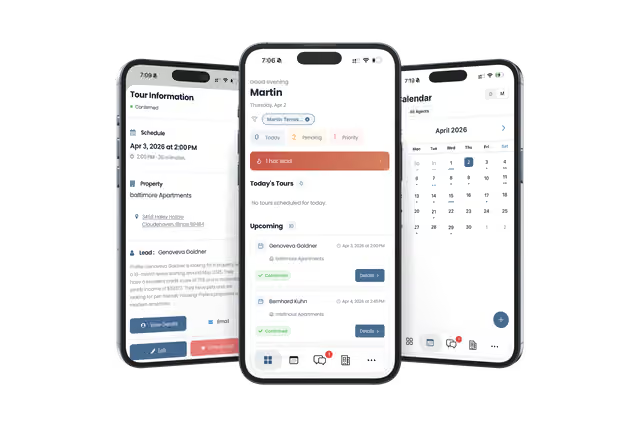
Project statement
The goal was not another chatbot. It was AI that could communicate and safely take operational actions.
Context
I lead the technology — AI, product, infrastructure, integrations, reliability, security, mobile, vendor strategy, and technical economics.
Problem
AI answering a question is easy. Safely taking actions inside operational systems is much harder.
Constraints
It has to act inside the property-management system, under real operating conditions, and not become unreliable doing it.
My role and personal contribution
I own the read/write integration architecture that allows HappiNest.AI to act inside property-management systems.
System
The model decides what should happen. The surrounding system decides whether it is safe for it to happen.
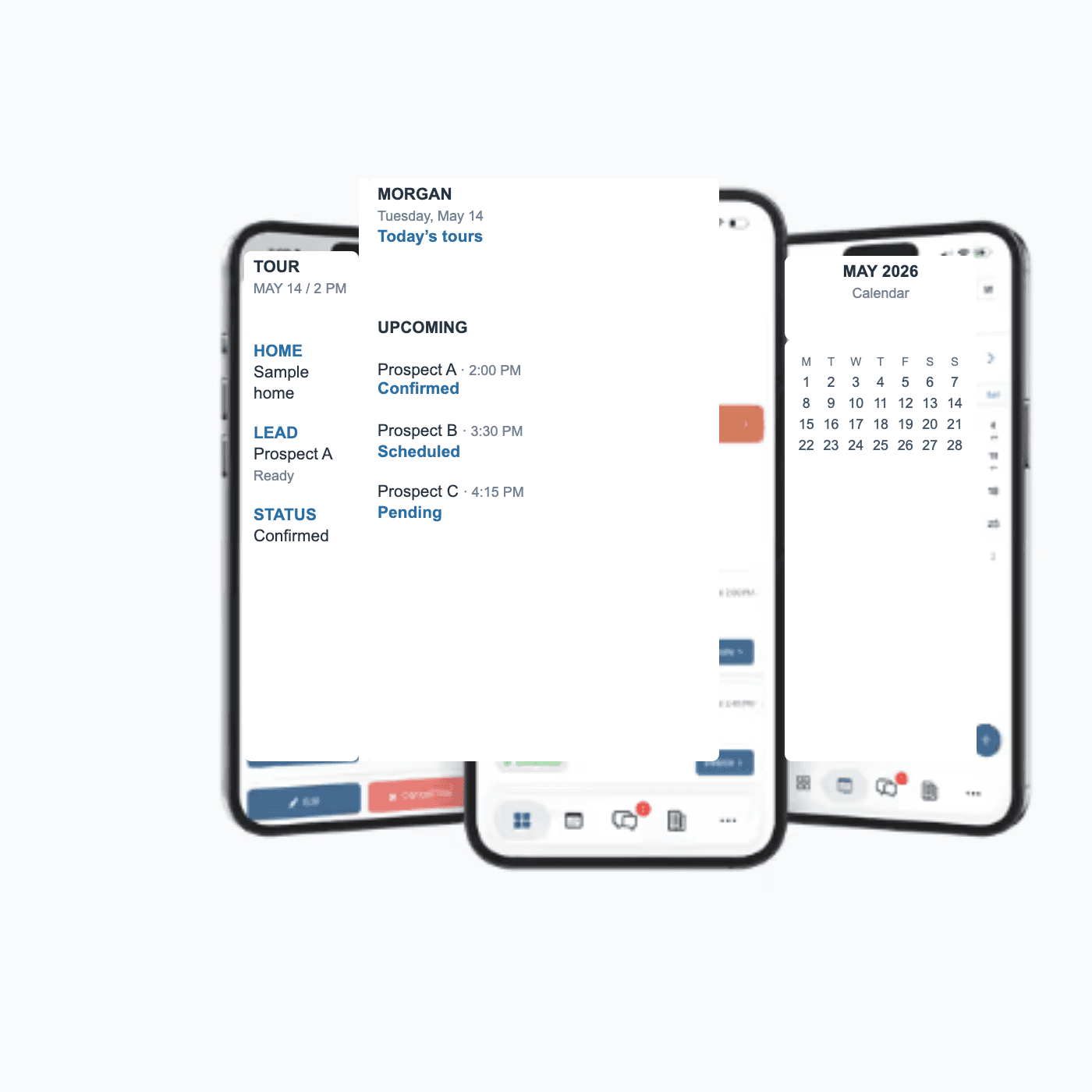
Around the model: conversation serialization, distributed state and caching, debouncing, concurrency controls, idempotent tools, validation, retries, observability, provider abstraction, and human fallback.
- Stage 1
- Lead
- Stage 2
- Conversation
- Stage 3
- AI
- Stage 4
- Safety / state / validation
- Stage 5
- Property operations
- Lead leads to Conversation
- Conversation leads to AI
- AI leads to Safety / state / validation
- Safety / state / validation leads to Property operations
Decisions and tradeoffs
The model is probabilistic. The controls around it can’t be. And the whole thing still has to survive inference and voice cost, gross margin, onboarding, operational overhead, and staying up.
Verified outcome
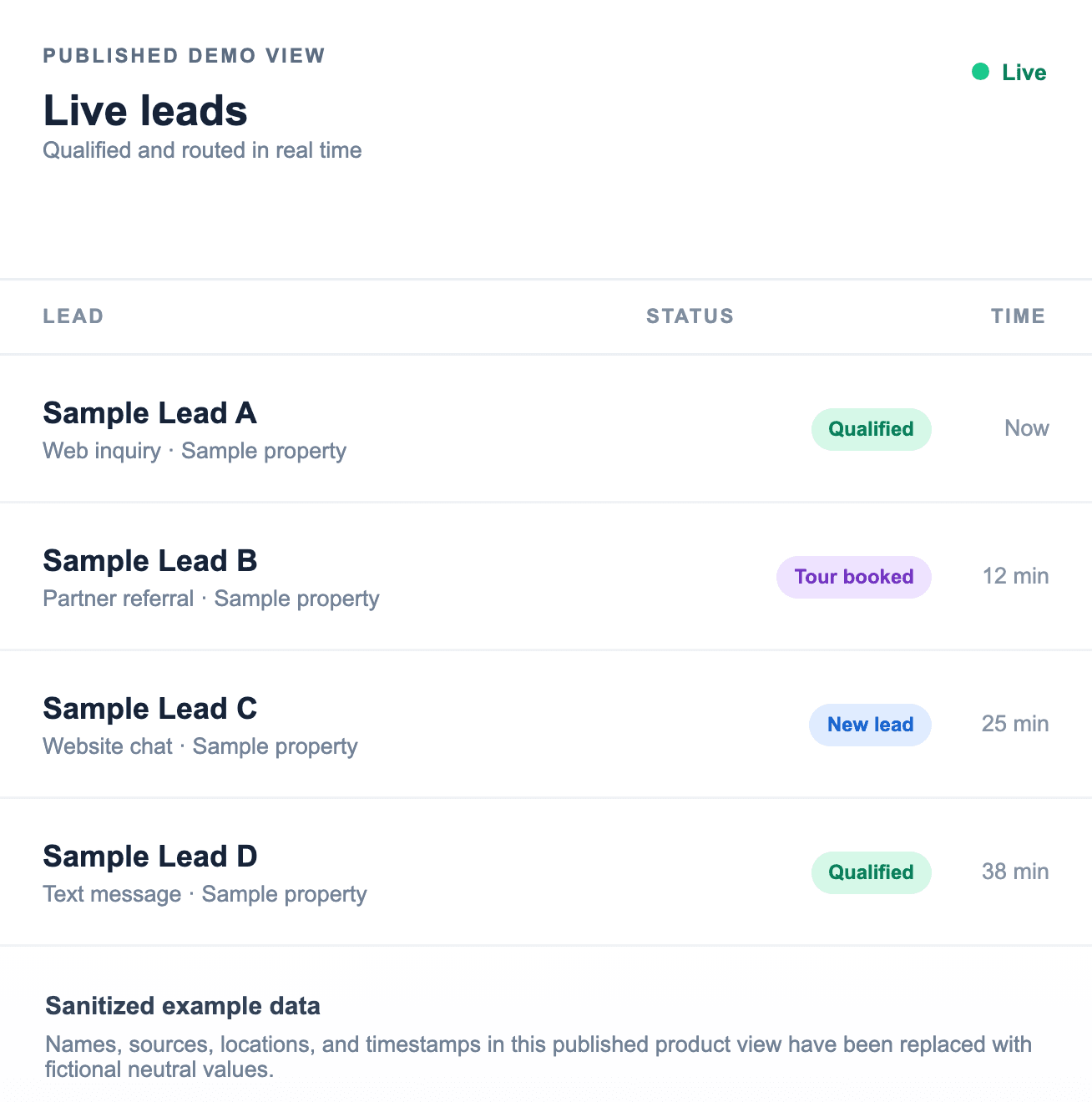
HappiNest.AI has 3,277+ homes live and 6,500+ homes contracted and growing. For Dean & DeWitt, HappiNest.AI increased lead-to-lease conversion by 39%.
Lesson
Production AI has to operate within the constraints of the systems around it.
Relevant domains
- Production AI
- Product
- Infrastructure
- Integrations
- Reliability